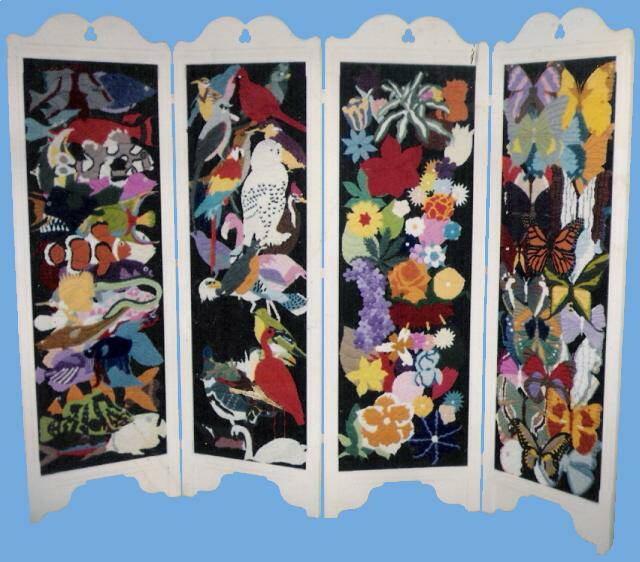
12. Once all the other stitching is finished, stitch with the furry threads.

13. Brush any areas which need it.

14. Add embellishments such as buttons or charms.
darkest. This is the order you should use for stitching.

6. Now ?nd the spots on your canvas where the lightest thread is used. Stitch these.

7. If using Basketweave, stitch from upper right to lower left, slanting in the same direction.
How to Stitch a Needlepoint Project
By: Janet M. Perry

Stitching your needlepoint in the correct order can make your pieces look nicer and have them be more enjoyable to stitch.

Often neglected when learning needlepoint, the proper order for stitching not only improves the look of our design, but makes the stitching easier and more
Stitch-opedia
An Encyclopedia of Stitches...
 
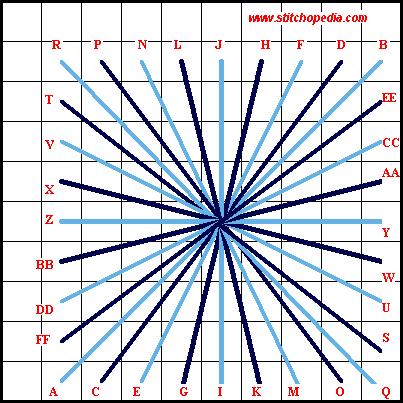
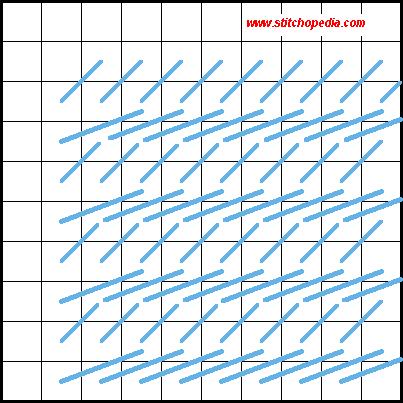
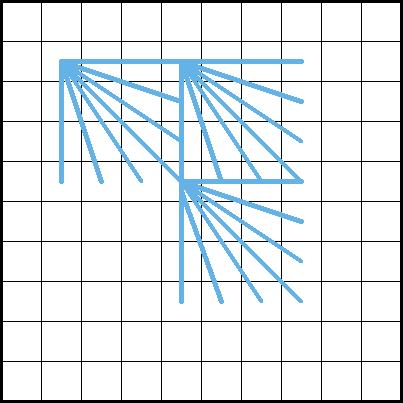
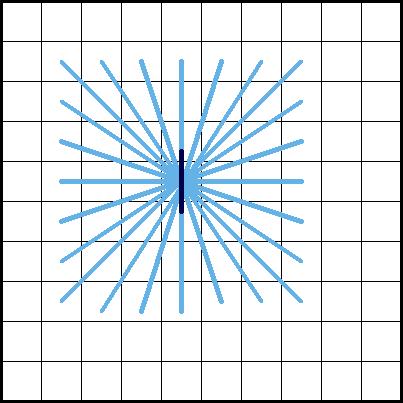
COMPOSITE STITCHES:
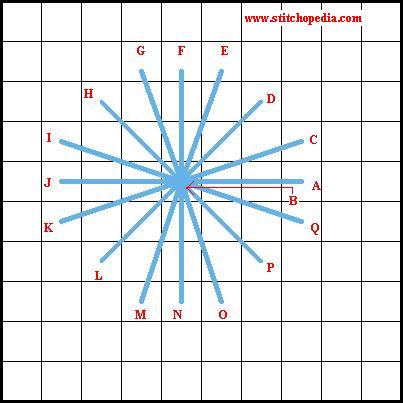
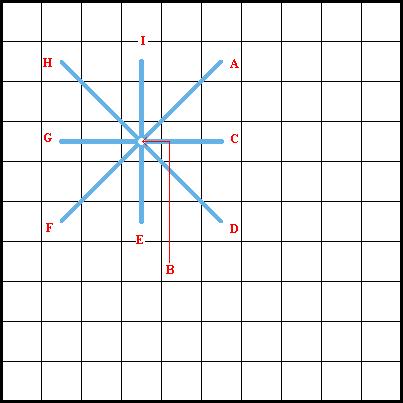
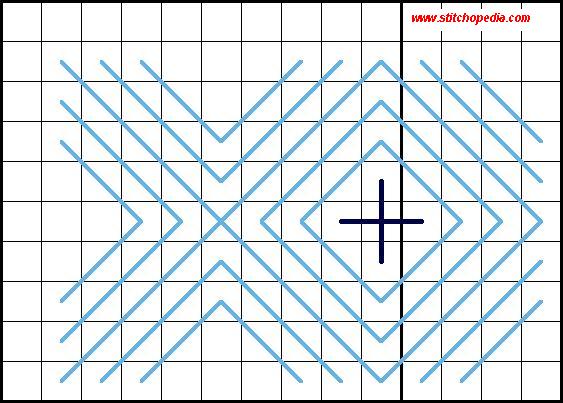
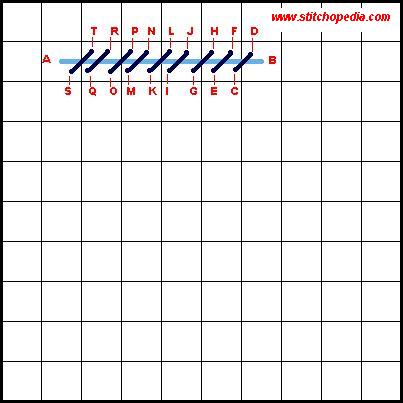
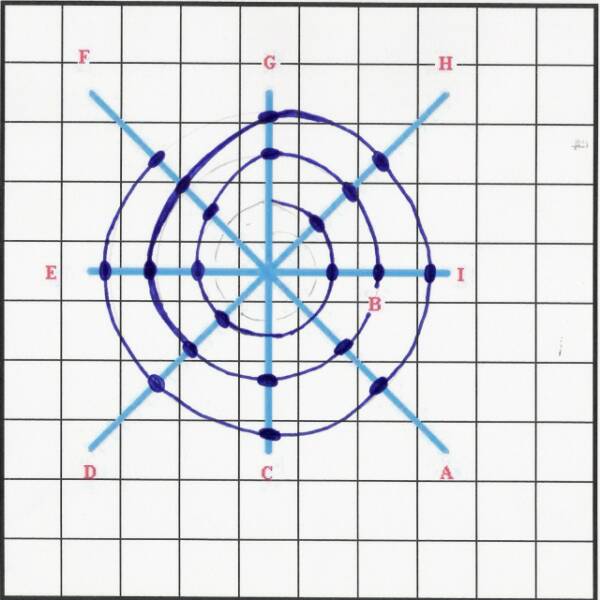
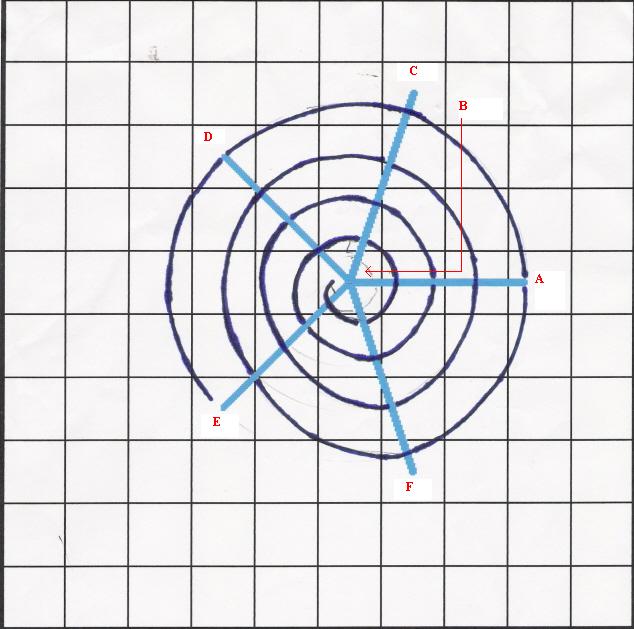
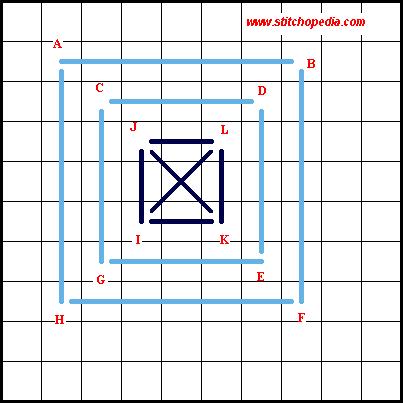
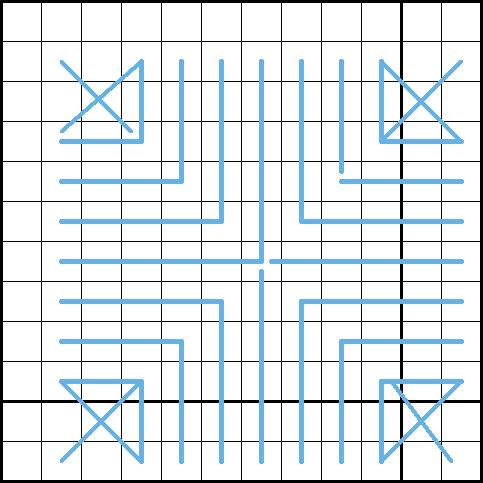
Composite stitches are stitches that use more than one  type of stitch. Composite stitches are generally
large. Because of this, the yarn may not always cover the canvas completely. To help remedy this, try not to pull the yarn too tight when making the stitches. To learn the basics of each stitch, choose a stitch from the list below and click on the link...

HOME

ABOUT US

ADVERTISE
WITH US!

CONTACT US!

SITE MAP

SHOP WITH US!
STITCHOPEDIA STORE

LINKS


***Stitch Index*** (Alphabetical)
A - I

2,4,6,8 & Tie Stitch

Algerian Eye Stitch

Algerian Eye Daisy
Stitch

Algerian Filling Stitch

Algerian Plait Stitch

Alternating Cross
Stitch

Astrakhan Stitch

Aubusson Stitch

Back Stitch

Bargello Stitch

Basketweave Stitch

Bazaar Stitch

Binding Stitch

Bokhara Couching Stitch

Bokhara Couching Stitch (Diagonal)

Bokhara Couching Stitch (Staggered)

Brazilian Stitch

Brick Stitch

Brighton Stitch

Bullion Knot

Buttonhole Stitch

Buttonhole Stitch (Detached)

Buttonhole Stitch (Double)

Buttonhole Stitch (Tailored)

Buttonhole Stitch (Whipped)

Buttonhole Wheel
Stitch

Byzantine Stitch

Cable Stitch

Cashmere Stitch

Chain Stitch

Chain Stitch
(Braided Variation)

Chain Stitch
(Heavy Variation)

Chain Stitch
(Interlaced Variation)

Chain Stitch (Lazy
Daisy Variation)

Chain Stitch
(Raised Variation)

Checker Stitch

Continental Stitch

Coral Knot Stitch

Couching Stitch

Couching Stitch (Buttonhole Variation)

Couching Stitch (Herringbone Variation)

Couching Stitch
(Open Chain  Variation)

Cretan Stitch

Cretan Stitch
(Diagonal Variation)

Cross Stitch

Cross Stitch (Bound)

Cross Stitch (Diagonal)

Cross Stitch (Heavy)

Cross Stitch (Houndstooth)

Cross Stitch (Reinforced)

Cross Stitch
(Reversed Double)

Cross Stitch
(Staggered)

Cross Stitch (St.Andrew)

Cross Stitch
(St.George)

Cross Stitch (Trame)

Cross Stitch (Triple)

Cross Stitch
(Two-Sided)

Cross Stitch
(Woven)

Cushion Stitch

Czar Stitch

Diagonal Stitch

Darning Stitch

Diagonal Buttonhole Stitch

Diagonal Interlaced Stitch

Diagonal Leaf Stitch

Diamond Stitch

Diamond Eyelet Stitch

Diaper Pattern Stitch

Double Cross Stitch

Double Knot Stitch

Double Star Stitch

Double Stitch

Double Straight
Cross Stitch

Droit Stitch

Eastern Stitch

Economic Stitch

Egyptian Stitch

Encroaching Slanted Gobelin Stitch

Eye Stitch

Eye Stitch with Backstitch

Fan Stitch

Fancy Stitch

Feather Stitch

Fern Stitch

Fishbone Stitch

Fishbone Stitch (Diagonal)

Flame Stitch

Flat Stitch

Flat Stitch (Crossed)

Florentine Stitch

Florentine Stitch (Split)

Fly Stitch (Closed)

French Knot

French Stitch

Ghiordes Knot

Gobelin Stitch

Gobelin Droit Stitch

Gobelin Filling Stitch

Gobelin Stitch
(Trammed Upright)

Greek Stitch

Half Cross Stitch

Herringbone Stitch

Herringbone Stitch (Double)

Herringbone Gone Wrong Stitch

Herringbone Stitch
(Six Step)

Hobnail Stitch

Hungarian Stitch

Hungarian Diamond Stitch

Hungarian Ground
Stitch

Hungarian Ground
Stitch (Diagonal)

Hungarian Point Stitch

Interlocking Gobelin Stitch


***Stitch Index*** (Alphabetical)
I - Z

Irish Stitch

Jacquard Stitch

Kalem Stitch

Kelim Stitch

Kilim Stitch

Knitting Stitch

Knitting Stitch (Diagonal)

Knitting Stitch
(Reverse Tvistom)

Knotted Stitch

Knotted Stitch (Single)

Ladder Stitch

Leaf Stitch

Leaf Stitch (Diagonal)

Leaf Stitch with Backstitch

Leviathan Stitch

Leviathan Stitch (Double)

Leviathan Stitch
(Triple)

Long Armed Cross Stitch

Long Stitch

Long and Short Stitch

Loop Stitch

Mexican Cross Stitch

Milanese Stitch

Montenegrin Stitch

Moorish Stitch

Mosaic Stitch

Mosaic Stitch (Crossed)

Mound Stitch

Nobuko Stitch

Oblique Stitch

Oblique Stitch (Diagonal)

Oblique Stitch (Reverse)

Oblique Slav Stitch

Oblong Cross Stitch

Oblong Cross Stitch with Backstitch

Oriental Stitch

Outline Stitch

Palestrina Stitch

Palace Pattern Stitch

Paris Stitch

Parisian Stitch

Pavillion Stitch

Perspective Stitch

Plait Stitch

Plait Stitch (Crossed)

Plait Stitch (Square)

Plaited Edge Stitch

Plaited Gobelin Stitch

Plaited Interlaced Stitch

Portuguese Cross Stitch

Portuguese Stem Stitch

Princess Pattern Stitch

Pyramid Stitch

Quick Point

Raised Stitch

Raised Cross Stitch

Ray Stitch

Ray Stitch (Expanded)

Renaissance Stitch

Rep Stitch

Reverse Bargello

Reversed Basketweave Stitch

Reversed Cross Stitch

Rhodes Stitch

Ribbed Wheels Stitch

Rice Stitch

Rice Stitch (Padded)

Rococco Stitch

Roman Stitch

Rope Stitch

Roumanian Stitch

Rug Binding Stitch

Rya Stitch

Satin Stitch

Satin Stitch
(Alternating)

Satin Stitch
(Padded)

Scotch Stitch

Scotch Stitch (Alternating)

Scotch Stitch (Condensed)

Scotch Stitch (Crossed)

Scotch Stitch (Woven)

Scottish Stitch

Sheaf Stitch

Shell Stitch

Single Knotted Stitch

Slanted Gobelin Stitch

Smyrna Cross Stitch

Sorbello Stitch

Soumak Stitch

Spanish Stitch

Spider Web Stitch

Split Stitch

Sprats Head Stitch

Square Plait Stitch

Star Stitch

Star Stitch (Large)

Stem Stitch

Stem Stitch
(Diagonal)

Stepped Sheaf Stitch

Surrey Stitch

Sutherland Pattern Stitch

Tapestry Stitch

Tent Stitch

Tent Stitch (Alternating)

Tent Stitch
(Diagonal Mosaic)

Tie Stitch

Trame

Trammed Tent Stitch

Triangle Stitch

Tufting Stitch

Turkey Stitch

Tvistom Stitch

Two Sided Italian
Cross Stitch

Upright Cross Stitch

Van Dyke Stitch

Velvet Stitch

Waffle Stitch

Wave Stitch (Closed)

Wave Stitch (Open)

Weaving Stitch

Web Stitch

Wheat Sheaf Stitch

Woven Band Stitch

Woven Pattern Stitch

Plus more
DESIGNS BY CAROLYN
coming soon!
Support This Site! Make a donation thru Paypal...
Advertisements...
Craft supplies and other products of interest...
BACK TO TOP

The Basics     Composite Stitches     Crossed Stitches    Diagonal Stitches     Looped Stitches     Straight Stitches
Home     About Us     Contact Us     Advertising    Store    Site Map     Article Archive     Links

Copyright 2006...Stitchopedia...All Rights Reserved
worn away the nap.

What if you start or end a thread under a lighter color? Yes, it’s on the back, but the shadow of the thread shows through on the front.

1. Look at all the threads you have selected and arrange them from lightest to darkest.

2. Pull out of the lineup any fuzzy or furry threads -- these will be stitched last.
pleasurable.

What would happen if you stitched a dark are in wool before the light area next to it? Bits of dark wool would mix into the light wool and stand out. But if you stitch the light area first, it works. The strands of light wool don’t show up among the darker color.

What if you brushed the cat’s fur before stitching the background? Not only do you have fuzz in the background, but the cat isn’t furry -- the motion of stitching has
3. Pull out of the lineup any threads to be used for overstitching, French Knots or couching. These will be done just before the furry threads.

4. Pull out your background thread. You might want to stitch bits of background all along (I do) or stitch it all at once. But it too goes in a separate pile.

5. Arrange the remaining threads from lightest to
Advertisement...
Advertisement...
8. For other stitches follow the correct stitching order for that stitch.

9. As you finish each color, move on to the next color.

10. Start and finish threads with waste knots or by burying the ends in the same or darker color area.

11. Don’t carry your thread across more than five threads to another area of the same color. Stop and start the thread.
About The Author:

Janet M. Perry is one of the leading writers of needlepoint stitch guides in the world. She writes innovative guides for needlepoint canvases from over 20 designers. She puts into practice her motto to make needlepoint fast, fun and affordable. She is an expert in needlepoint, both on the Web and through her writing as the Needlepoint Pro for Cross-Stitch & Needlework magazine. She works with deigners, shops, and thread manufacturers on new products and regularly reports on trends in needlepoint. Her newest book, Needlepoint Trade Secrets, will be available in the summer of 2007 on Amazon. Visit her website (http://www.napaneedlepoint.com) or blog (http://www.nuts-
about-needlepoint.com) to learn about my newest products.
Article Source: http://EzineArticles.com/?expert=Janet_M._Perry
Advertisement...
Advertisement...
Advertisement...
Advertisement...
Advertisement...
Advertisement...
Advertisement...
Advertisement...
Advertisement...
Advertisement...
Advertisement...
Advertisement...
Advertisement...
Advertisement...
Bookmark and Share